
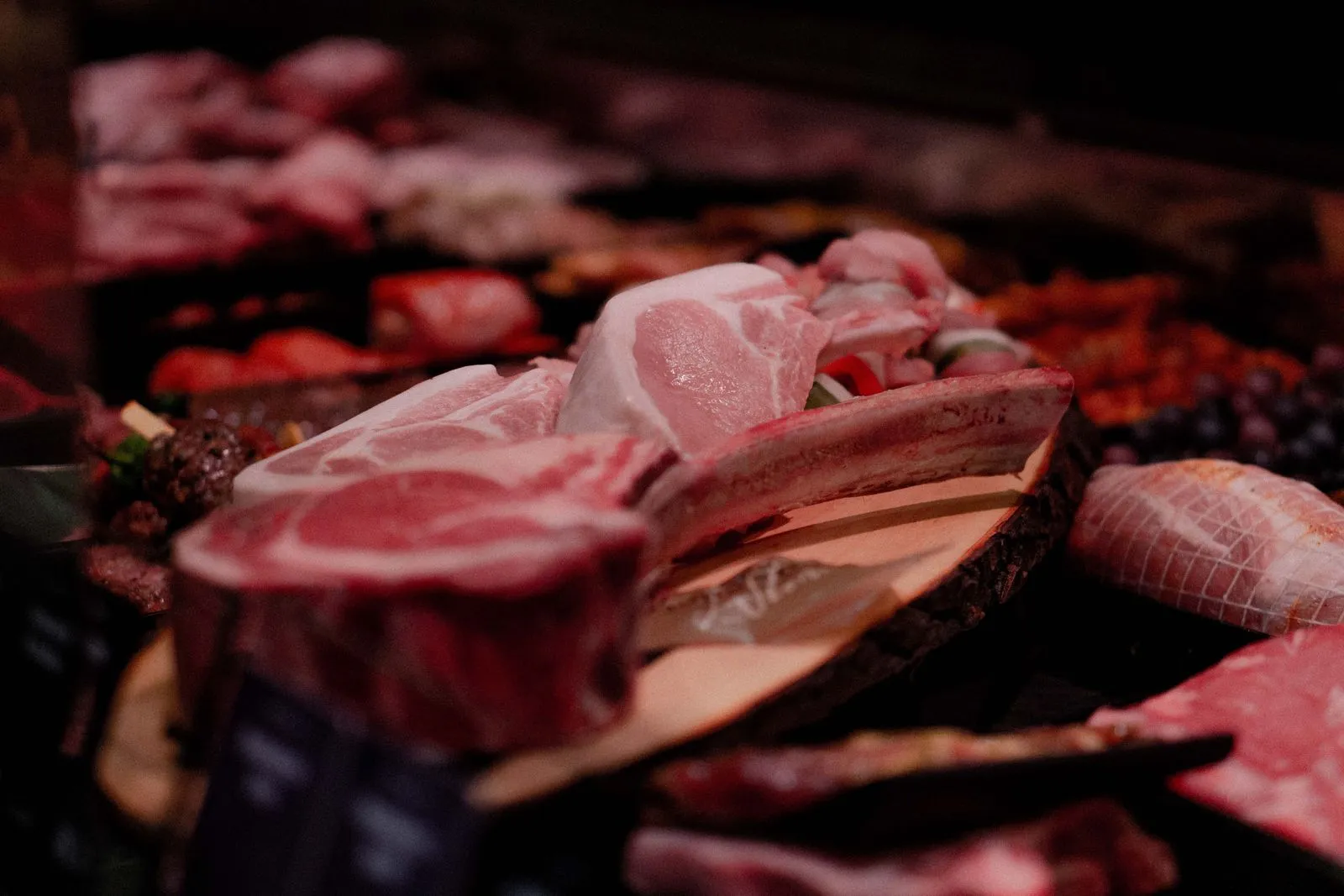
Lamb can go from quick weeknight dinner to long, hands-off braise, but the best cut depends on how you plan to cook it. A useful butcher conversation starts with your cooking method, the number of people you’re serving, and how much prep you want to do at home. Ask about the cut, thickness, trimming, and whether it should be portioned or tied. These details help you leave with lamb that fits your recipe—not just a name you recognize.
Cuts for the Grill
For quick grilling, ask about lamb chops, butterflied leg, or kebab meat. Rib and loin chops are naturally portioned and cook quickly, while a butterflied leg opens into a flatter piece that can cook more evenly on the grill. Tell the butcher whether you want individual servings or a larger cut to slice and share.
Ask for chops cut to an even thickness so they finish at about the same time. For kebabs, request cubes of similar size and ask which lean or well-marbled cut the shop recommends. If you’re using a marinade, mention it; the butcher can suggest a suitable cut and prepare pieces that are easy to thread onto skewers.
Cuts for Roasting
A leg of lamb is a familiar choice for roasting, either bone-in or boneless. Bone-in cuts bring a traditional presentation, while a boneless leg is easier to carve and can be opened or rolled. Ask how many servings the butcher expects from the size available, and whether the leg needs excess surface fat trimmed.
For a smaller roast, ask about a lamb shoulder roast or a rack of lamb. A rack can be left whole or divided into chops; a shoulder roast is usually more forgiving when cooked slowly. If you want a boneless roast, ask the butcher to remove the bone and tie the meat so it holds a compact shape in the oven.
Cuts for Slow Cooking
Shoulder, shanks, and stew meat are good options for braises and other slow-cooked dishes. These cuts benefit from gentle cooking with moisture, which gives connective tissue time to soften. Ask whether the shoulder is best left whole or cut into chunks for your recipe, and request consistent-sized pieces if you’re making stew.
Lamb shanks are often cooked individually, so ask how many you’ll need for your table and whether the butcher can trim the ends for easier handling. For a curry, stew, or tagine, explain how long you plan to cook the dish. Your butcher can help choose a cut and cube size that suit that cooking time.
Ask for the Prep You Need
Make your request specific: “Please remove the chine bone,” “cut these chops evenly,” or “leave a thin layer of fat for roasting.” You can also ask for a leg to be butterflied, a shoulder to be boned and tied, or stew meat cut into even cubes. If you’re unsure, describe the recipe and ask what preparation would make it simpler.
Before you leave, confirm whether the cut is bone-in or boneless, how it has been trimmed, and whether it is ready to cook or needs extra preparation. If you’re buying ahead, ask how to package and store it safely, and whether freezing is appropriate. At Crescent Cut Halal, bring your menu or recipe along to make the conversation easier.
The right lamb cut depends on your cooking method, and a clear prep request can save time once you’re home. Tell your butcher how you plan to cook, how many people you’re serving, and what work you’d like done at the counter. If you’re planning a lamb dish, ask your local butcher for a cut that fits.